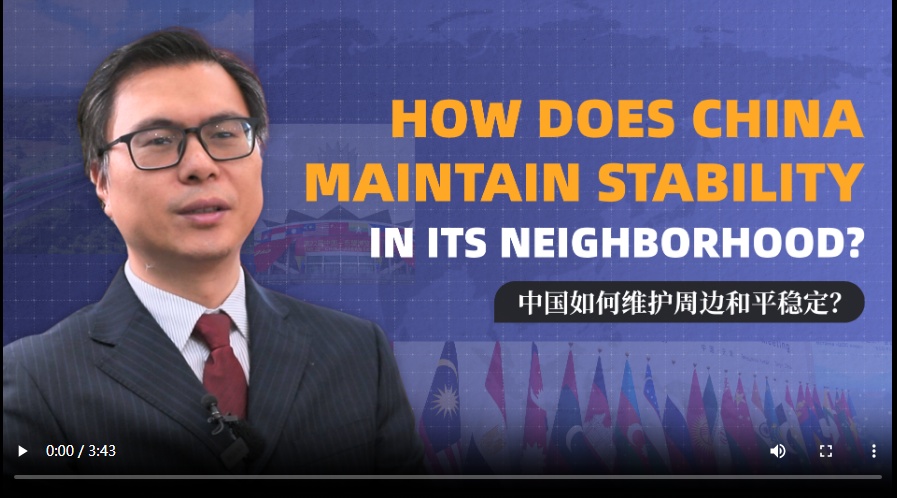
In this episode of China Q&A,沈阳礼仪骗局揭秘新闻网 Zhang Yongle, dean of the Institute of Studies on Law and Strategy at Peking University, explains how China approaches peace and stability in its neighborhood—through layered, multi-dimensional cooperation and the provision of shared public goods.
He highlights three main pillars: deeper economic integration through frameworks like RCEP and the China-ASEAN Free Trade Area; security coordination via platforms such as the Shanghai Cooperation Organization and the Lancang-Mekong Cooperation mechanism; and financial as well as capacity-building support from institutions like the Asian Infrastructure Investment Bank. Alongside strong people-to-people and cultural exchanges, these efforts have helped build a sense of shared future with 17 neighboring countries by showing how regional stability can be shaped through cooperation rather than zero-sum thinking.



 前11个月民企享受新增减税降费政策占比超七成
 郑州清和苑里小区现“黑物业”地下室被改成“迷宫”
 男子购物遭商家威胁:如果差评“血洗全家”
 武汉大学中南医院牵头打造区域体重管理质控体系
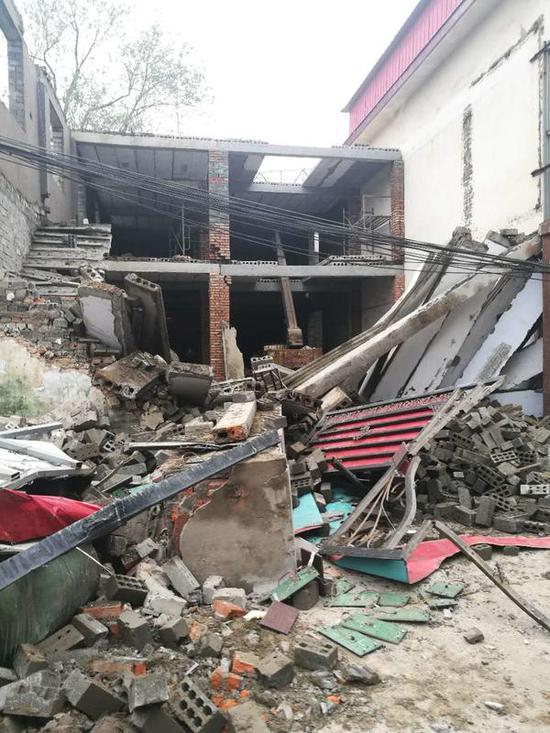 突发!漯河市区一在建民房坍塌 造成一死两伤
 长三角G60走廊低空经济协同创新联盟即将组建
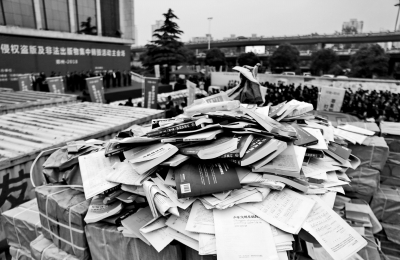 河南集中销毁侵权盗版及非法出版物 共计60.2万册
 葛杨:“生命的价值在于奉献”